HOW
We Work
“…Villa Andina is not just a company, they’re friends.”
DEYSI NUÑEZ
Mango Farmer
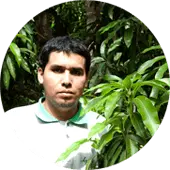
JIMMY RUBIO
Mango Farmer

“ …with Villa Andina
we all win
”
Our business model is to be both a socially and a rurally responsible enterprise. We get actively involved with the rural farming communities, and we participate in their festivals. We get to know personally each one of the more than 5,000 farmers we work with, and have identified each plot or field that provides product to our processing plant.
From Field to Facility
Each week, we visit farming communities to collect harvests that meet our strict quality standards. Whether fruits, tubers, or grains, only carefully selected raw materials are transferred directly to our processing facility. This close and constant presence in the field ensures a steady supply of premium inputs while reinforcing direct relationships with our growers.
Fair and Transparent Partnerships
Villa Andina operates under annual contracts that guarantee punctual payments at Fair Trade prices. Beyond purchasing, we invest in farmers by providing:
- Free technical assistance and monthly training programs.
- Financial support and credit facilitation.
- Coverage of organic certification, logistics, and related expenses.
This integrated support strengthens both crop quality and farmer livelihoods, ensuring a sustainable and resilient supply chain.
Development Through Cooperation
Our dedicated projects department designs and manages development initiatives financed by international cooperation agencies and Peruvian government programs (such as Fondo Empleo, Agro Ideas, and Pro Compite). These non-reimbursable grants are directed to farming communities to increase productivity, improve agricultural practices, and enhance the living standards of rural families.
Impact Beyond the Supply Chain
Working directly in producing regions allows us to shorten the supply chain and create a more transparent connection between farmers and global consumers. This model not only ensures quality and competitiveness, but also generates measurable social impact.
A study conducted by the Institute for Research on Poverty Alleviation at the University of Michigan highlighted how Villa Andina’s model has improved the quality of life of participating farmers. Increased household income has been reinvested into local communities, leading to:
- Reduced migration from rural areas.
- Higher university attendance rates among young people in Cajamarca.
- Greater environmental awareness and hygiene practices, especially among children under 8.
These outcomes reflect our conviction that sustainable trade is not only about delivering the best of Peru’s biodiversity to the world, but also about building stronger, more resilient rural communities.
Testimonies
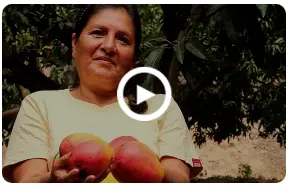
DEYSI NUÑEZ
Mango Farmer
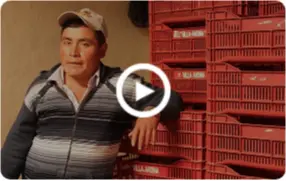
LELIS HUAMÁN
Aguaymanto Farmer
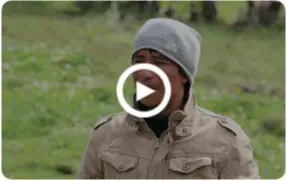
PEDRO CHAVEZ
Maca Farmer
Sustainable Farming Program Video